Argentina’s National Electoral Court voids DNU 366/2025
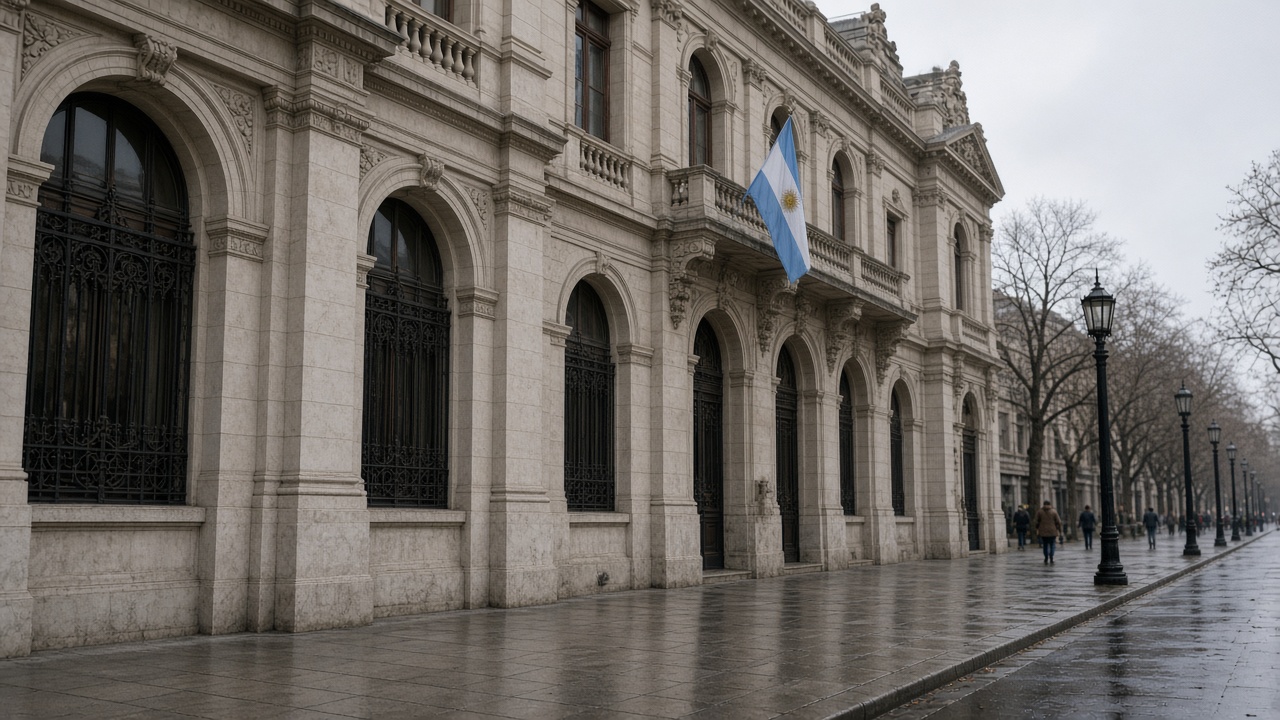
On 30 June 2026 the Cámara Nacional Electoral declared presidential decree DNU 366/2025 null in its entirety. The court held that moving citizenship from federal judges to the immigration service violates the Constitution. The government has appealed. The Supreme Court has not ruled yet.
On 30 June 2026 the Cámara Nacional Electoral, Argentina’s highest electoral court, declared Decree of Necessity and Urgency No. 366/2025 null. This is no longer a single article, or a ruling from one city. The court struck down the decree as a whole because it conflicts with the Constitution.
The judgment came in Yang Liping’s case, file CNE 008843/2023/CA001. A merchant appealed the refusal of his carta de ciudadanía. The trial court had rejected the application. The Chamber reversed that decision, declared the decree null, and granted citizenship. The applicant had proved two years of residence in the country, even though his immigration status was irregular.
What the decree changed
DNU 366/2025 was published in late May 2025. It gave the Dirección Nacional de Migraciones the power to grant Argentine citizenship by naturalization. Since 1869, under Law No. 346, a federal judge had heard that request. The decree also tightened residence requirements and reworked parts of the rules that apply to foreigners.
Why the court called the decree null
The Chamber relied on article 99, subsection 3, of the Constitution. A decree of necessity and urgency cannot be issued on electoral matters. When one is issued anyway, the Constitution states the consequence directly: absolute and incurable nullity, nulidad absoluta e insanable.
The court also examined the government’s reasons: overloaded dockets and a wish for tighter control. The judges treated those as arguments of political convenience. A decree that bypasses Congress is allowed only in an exceptional, immediate emergency. That emergency was not there. Changing the citizenship law belongs to the legislature.
The Chamber noted that trial courts, including the court in Paraná, had already reached similar conclusions, and that electoral justice needed one criterion for the whole country. The ruling was sent to the Ministry of Security so it could be passed on to the immigration service.
What is still open
The executive branch filed a recurso extraordinario federal. The Supreme Court has not decided it. Until that decision, no one can promise that every application in the country is already back under the old rules. For people waiting on citizenship, the electoral courts’ reference point has already shifted: naturalization again belongs to a federal judge, as it did before the decree.
This judgment reaches further than the news we published about the federal court in Paraná. That court found part of the decree unconstitutional in one person’s case. Here the national Chamber annulled the decree itself.
CoMiRa is following the appeal and will report if the practice of Migraciones or the courts changes.